
The short answer
Yes, and you have three main paths.
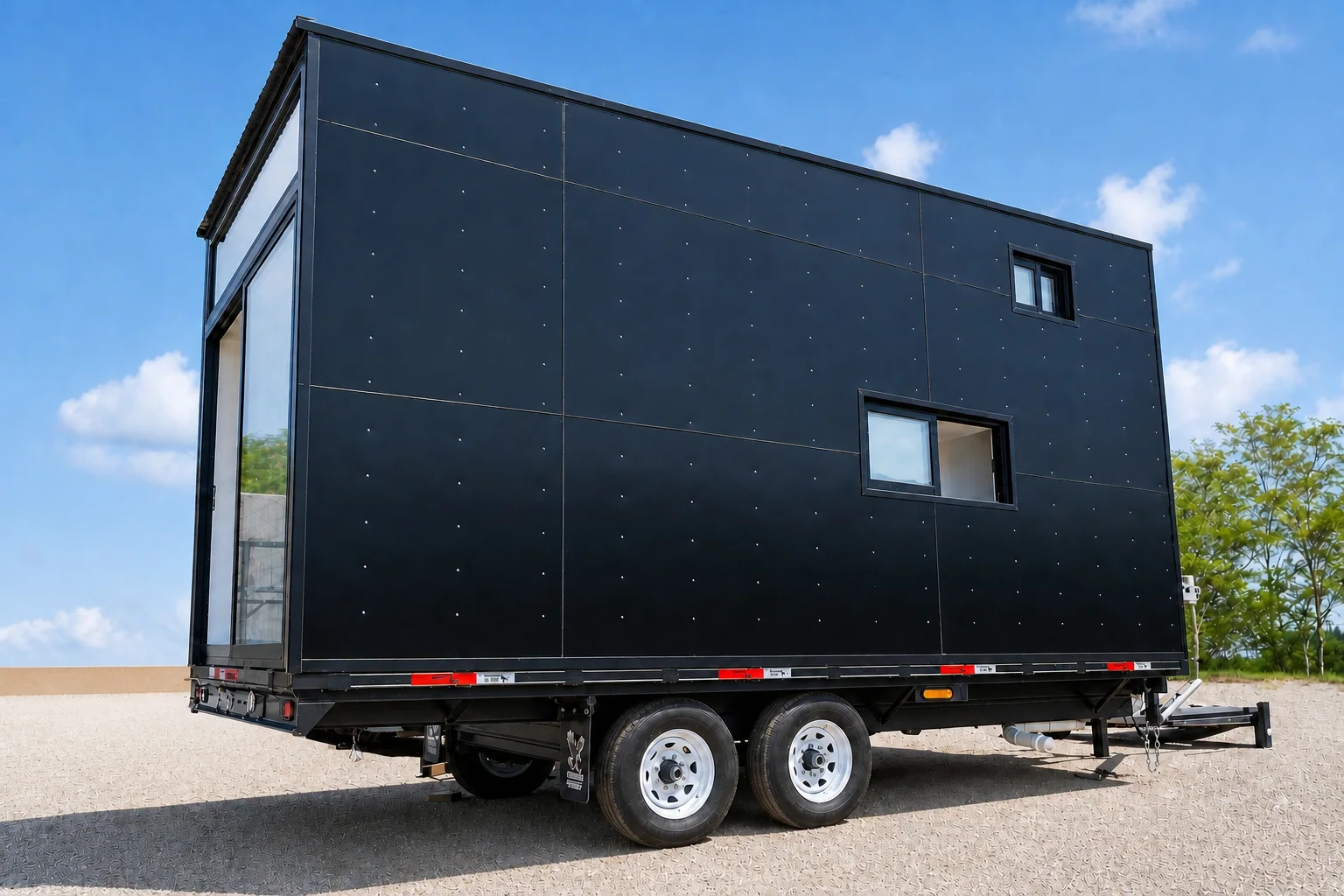
There are tiny homes for sale in Phoenix, Arizona. Buyers typically choose between ordering a new tiny home from a builder, buying a used tiny home from a private seller or dealer, or buying or renting inside a tiny home or RV community. LotRise Homes is based in the Phoenix–Goodyear area and builds Rise20, an 8 × 20 tiny home on wheels starting at $45,000 per home, with shipping and taxes extra. Before buying any tiny home, confirm where it can legally be placed and occupied.
Key takeaways
- New, used, and community options all exist in the Phoenix metro.
- Placement rules differ between Phoenix, nearby cities, and unincorporated Maricopa County.
- Summer heat makes insulation, shading, and cooling top priorities.
- Land, site work, approvals, and utility connections are separate from the home price.
- A local builder makes it easier to see the product and talk through your site.
Where can you buy a tiny home in Phoenix?
| Option | Best for | Watch out for |
|---|---|---|
| New from a builder | Buyers who want a defined price, a configurable layout, and documentation | Production schedule, delivery cost, and what the quote includes |
| Used tiny home | Lower up-front cost and immediate availability | Title, trailer condition, heat or water damage, unknown wiring |
| Tiny home or RV community | Buyers without land who want a ready parking spot | Lot rent, community rules, and which homes the community accepts |
How much does a tiny home cost in Phoenix?
New tiny homes on wheels commonly range from the mid-five figures to more than $100,000, depending on size, structure, finishes, and equipment. Rise20 starts at $45,000 per home. On top of the home, Phoenix buyers should budget for a place to put it, site preparation, supports or anchoring, utility trenching and hookups, any required approvals, delivery, and taxes. See Rise20 pricing for what is included and what stays on the property side.
What does the Arizona heat mean for a tiny home?
Phoenix summers regularly pass 110°F, and a small home heats up fast. When comparing tiny homes, ask about:
- Insulation: the type and coverage across walls, roof, and floor.
- Exterior: reflective or light-colored surfaces reduce heat gain.
- Windows and shade: orientation, glazing, and outdoor shade structures matter.
- Cooling: a system sized for the space, and where its equipment and power supply will go.
- Monsoon season: roof drainage, seals, and secure tie-down for wind.
Rise20 uses a steel frame, spray-applied foam insulation in the roof assembly, and an aluminum composite exterior. See how it’s built, and ask us which cooling options fit your configuration.
Can you put a tiny home on your property in Phoenix?
Possibly, but the answer depends on your city or county, zoning district, lot size, setbacks, HOA or deed restrictions, and whether the home is treated as an RV, park model, movable tiny house, or accessory dwelling unit. Phoenix and many Arizona cities have updated accessory dwelling rules in recent years, but a tiny home on wheels may not automatically qualify. Ask the planning and zoning office for written guidance and read our guide on tiny homes on wheels vs. ADUs.
Questions to ask before buying a tiny home in Phoenix
- Which jurisdiction controls my parcel: the city or unincorporated Maricopa County?
- Can a tiny home on wheels be placed and occupied here, and for what use?
- Can it connect to electricity, water, and sewer or septic on this property?
- Does my HOA or deed restrict accessory structures or RVs?
- What does the builder’s quote include, and what is my responsibility?
- How will cooling be handled during summer?
Why buy from a Phoenix-area builder?
LotRise is based in the Phoenix–Goodyear area and serves Arizona property owners directly, with nationwide delivery coordinated after reviewing destination and route. Buying locally makes it easier to talk through your site, review the product, and plan delivery. Learn more on our Phoenix tiny homes page or explore Rise20.